Barcelona Photography
Professional Headshots in Barcelona: How to Prepare for Your Session
Prepare for professional headshots in Barcelona: clothing, background, expression, framing and when a focused portrait is enough.
By Talissa Viana
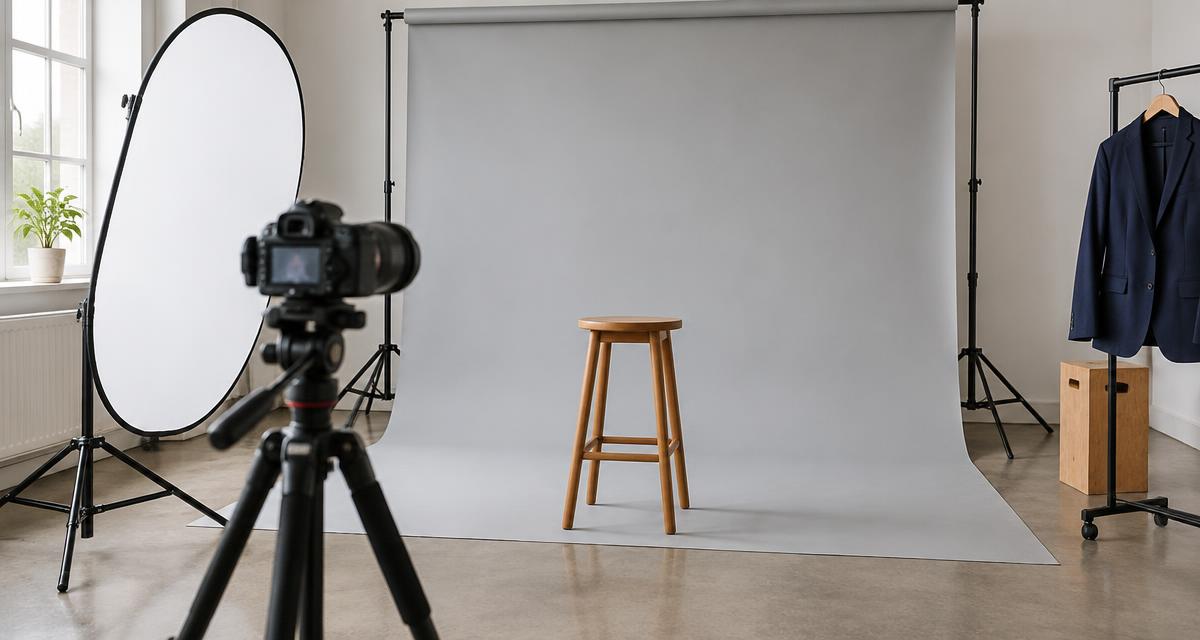
A professional headshot is a clear portrait used to introduce a person in a professional context. It may appear on LinkedIn, a website, a team page, a speaker biography or a directory. The session can be focused and uncomplicated, while still benefiting from thoughtful preparation.
If you are planning professional headshots in Barcelona, start with the actual use. Knowing where the image will appear helps guide clothing, background, expression and framing. You do not need to arrive with a set of poses or transform your appearance for the camera.
Define the portrait's main purpose
List the placements you need to update. A LinkedIn profile, a conference biography and a website About page may share a portrait, but their crops and display sizes can differ.
If an organisation or designer has requirements, ask for them before the session. Background, orientation and framing are easier to plan than to repair afterwards. If no specifications exist, explain the likely uses so the photographer can create appropriate options.
Also ask whether a single headshot is enough. If you need several website images or a wider professional narrative, a broader brand collection may be more suitable than trying to make one portrait do every job.
Choose clothes that feel appropriate and familiar
Start with an outfit you would be comfortable wearing in the professional situation the photograph represents. It should fit well and allow easy movement. Formality is a matter of context, not a universal requirement.
Try the clothing while seated and check the neckline, collar and any visible layers. Prepare it so it arrives clean and ready. If you bring an alternative, give it a clear purpose rather than packing several unrelated looks.
Keep accessories that are part of how you recognise yourself. The photographer can discuss how glasses, jewellery or textures work with the light rather than removing them automatically.
Understand the background choice
A simple background can keep attention on the face and make the image adaptable across professional placements. An environmental background can offer context, but it should not become so busy that the portrait loses clarity at a small size.
If several people need headshots for one organisation, consistency may be more important than individual location variety. Similar framing and lighting can help the images sit together without making every person look identical.
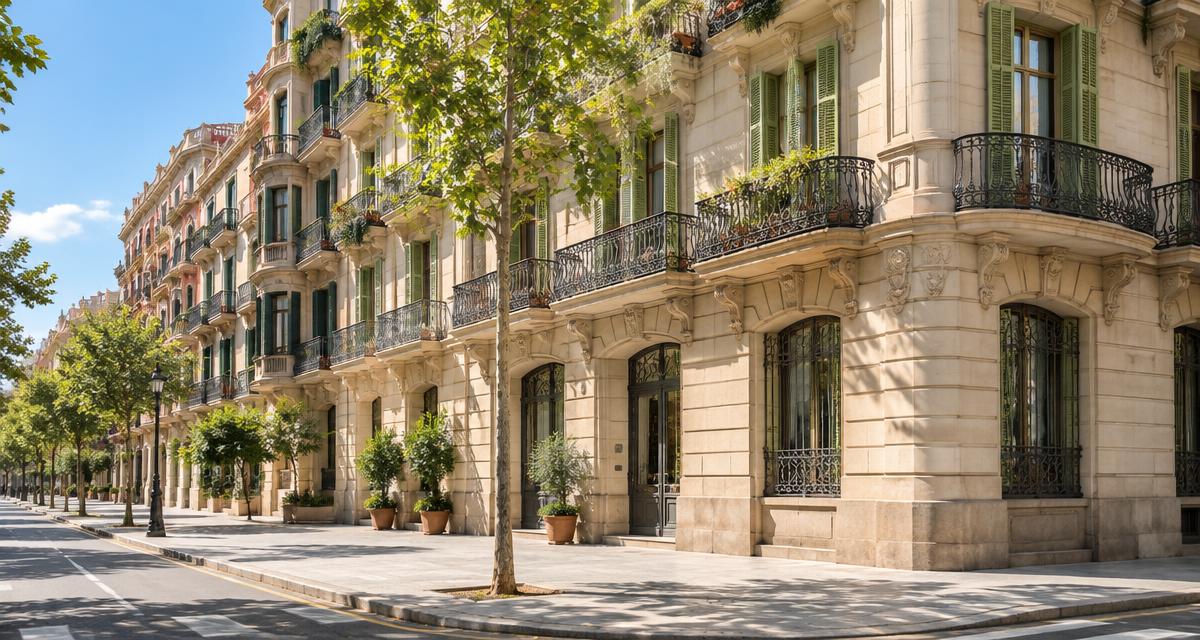
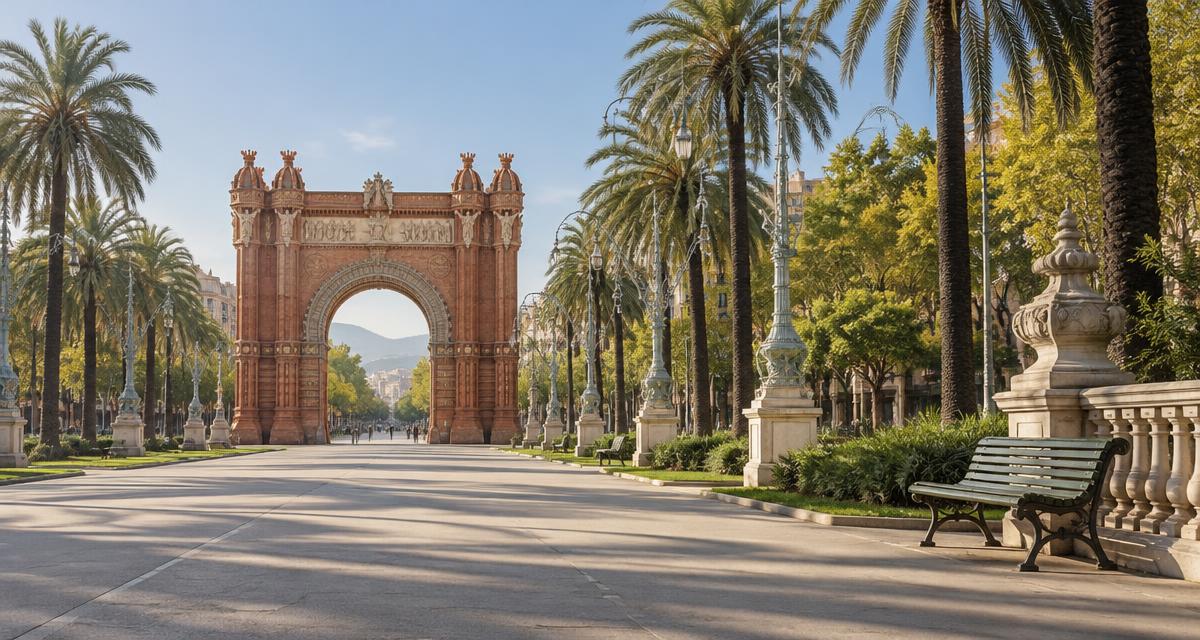
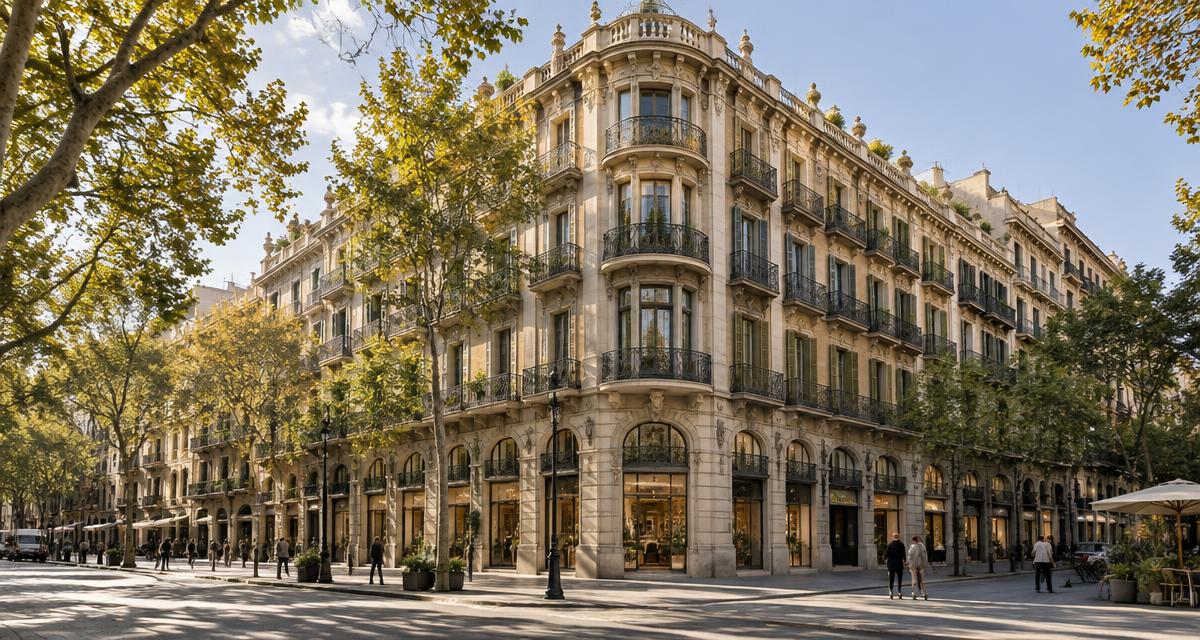
In Barcelona, the location should be selected for the brief and practical conditions. A famous setting is not necessary for a useful professional portrait.
Let lighting support expression
Good portrait lighting is not only about making the image look polished. It should also allow you to remain comfortable enough for a natural expression. Strong outdoor light can make it difficult to look toward the camera without tension.
Discuss whether the session uses an interior, studio-style setup or suitable available light. The photographer should be able to explain the plan and any alternatives needed for changing conditions.
You do not need to know technical lighting language. It is enough to describe the tone you need and mention anything that affects your comfort, such as sensitivity to bright light.
You do not need to know how to pose
A headshot usually involves small adjustments rather than elaborate poses. Posture, camera angle, attention and expression can all be guided. Tell the photographer if something feels stiff or unlike you.
There is no universal expression that communicates competence. A small smile, direct gaze or quieter expression may each be appropriate. The useful image is one that feels recognisable and fits the context in which it will be used.
Avoid trying to hold a fixed expression throughout the session. Pauses and conversation can help the portrait feel less like a performance.
Prepare the practical details
Confirm the meeting point, travel time, changing arrangements and the plan for the session. If the location requires access or permission, clarify that beforehand. Discuss any accessibility needs or breaks so the setup works for you.
Keep ordinary grooming familiar. A last-minute appearance change may make the photograph feel less like the person you expected to see. Bring the small items you normally use for comfort and preparation rather than treating the day as a transformation.
The guide to what to wear for a personal branding photoshoot offers more detailed wardrobe considerations that also apply to a focused headshot.
Check framing and final use
A profile portrait needs enough clarity to remain recognisable at a small size. Leave room for the intended crop rather than relying on a tight composition that cuts important details when placed in a circular interface.
Ask how images are selected, what editing is included and which files will be delivered. Keep original files separate from platform-specific exports, and check the agreed usage terms before sharing the photograph with third parties.
After uploading, inspect the image in the actual profile or page. A technically good photograph can still be poorly presented by an unsuitable crop.
Choose the right scope
For a focused current portrait, explore Express Headshot Experience™. If your website or professional communication needs a broader collection, Identity Builder™ may be more appropriate.
A headshot should make a clear introduction, not promise career or business outcomes. Thoughtful preparation helps the session stay simple while giving the photograph a useful, current place in the way you present your work.