Barcelona Photography
Best Locations for a Personal Branding Photoshoot in Barcelona
Choose Barcelona photoshoot locations through identity, light and practical access, with official resources for checking permissions.
By Talissa Viana
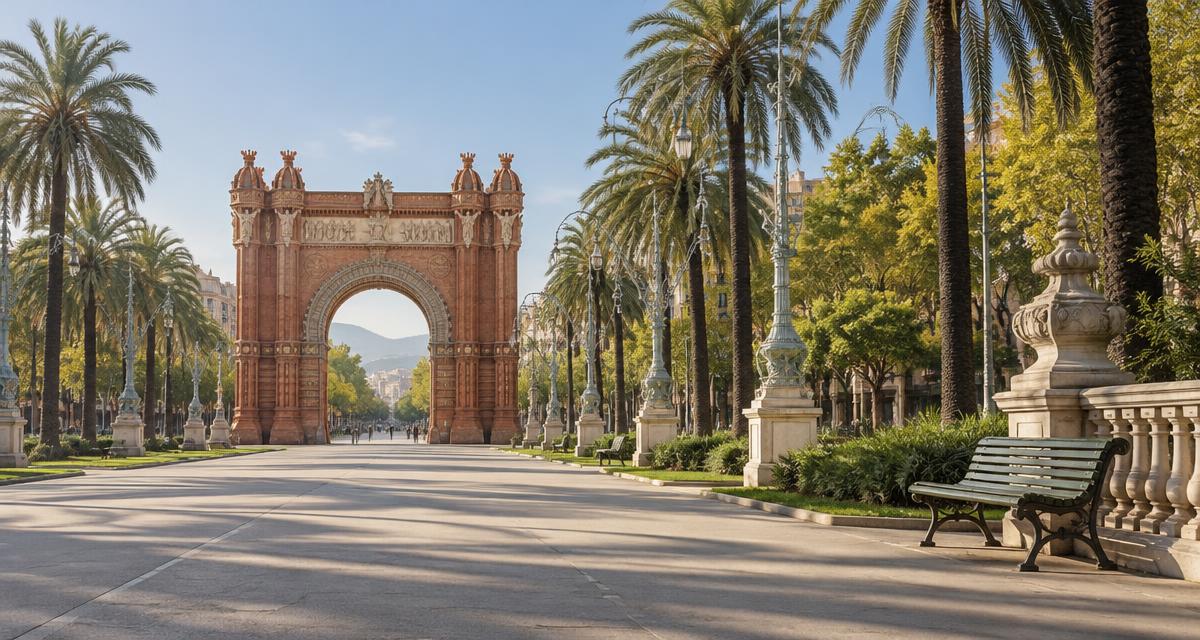
The best location for a personal branding photoshoot in Barcelona is the one that supports the person, the professional context and the images you need. It is not necessarily the city's most recognisable landmark or the place that looks most striking without a subject in it.
A useful setting provides context, manageable light and enough practical flexibility for the session. Start with your professional identity and intended image uses, then consider the city as a set of possible visual environments rather than a checklist of famous backgrounds.
Decide what the location should contribute
Ask whether the environment needs to explain something about your work or simply provide a coherent visual tone. A real workspace can give context. A quiet architectural setting may offer structure and space without making a specific claim about your practice.
The answer should influence the choice. If the images need to sit beside thoughtful service descriptions, a visually busy setting may compete with the message. If your work has a relevant connection to place, showing more of the environment may be useful.
Avoid selecting a location solely because someone else's photographs looked good there. The same setting can communicate differently with another person, wardrobe and composition.
Eixample: structure and architectural rhythm
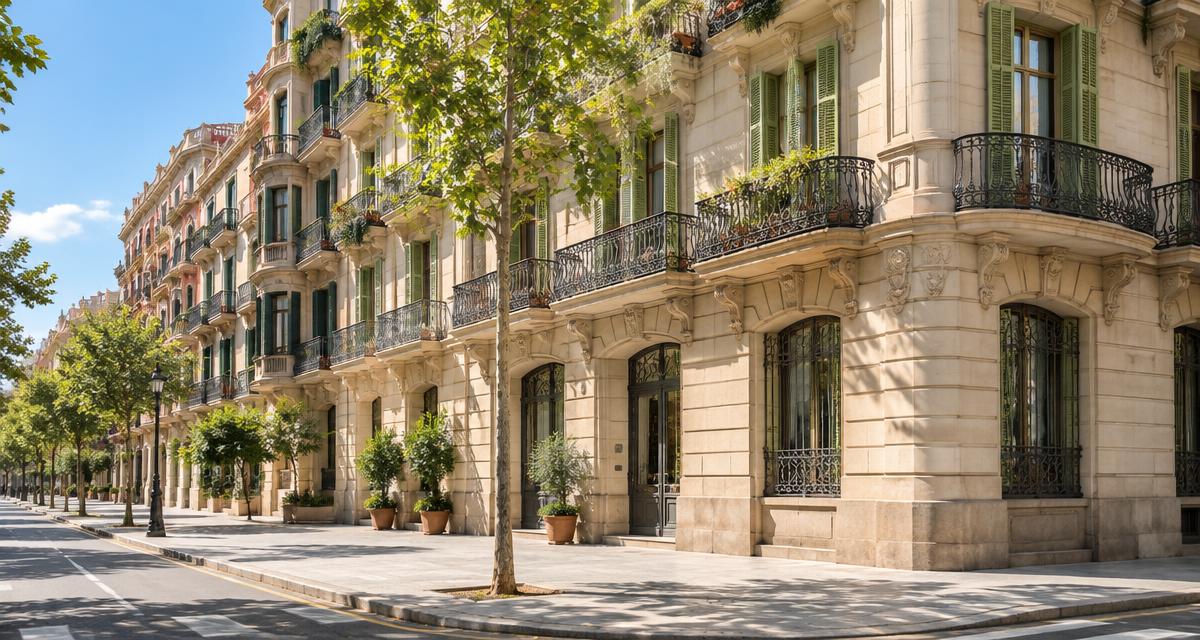
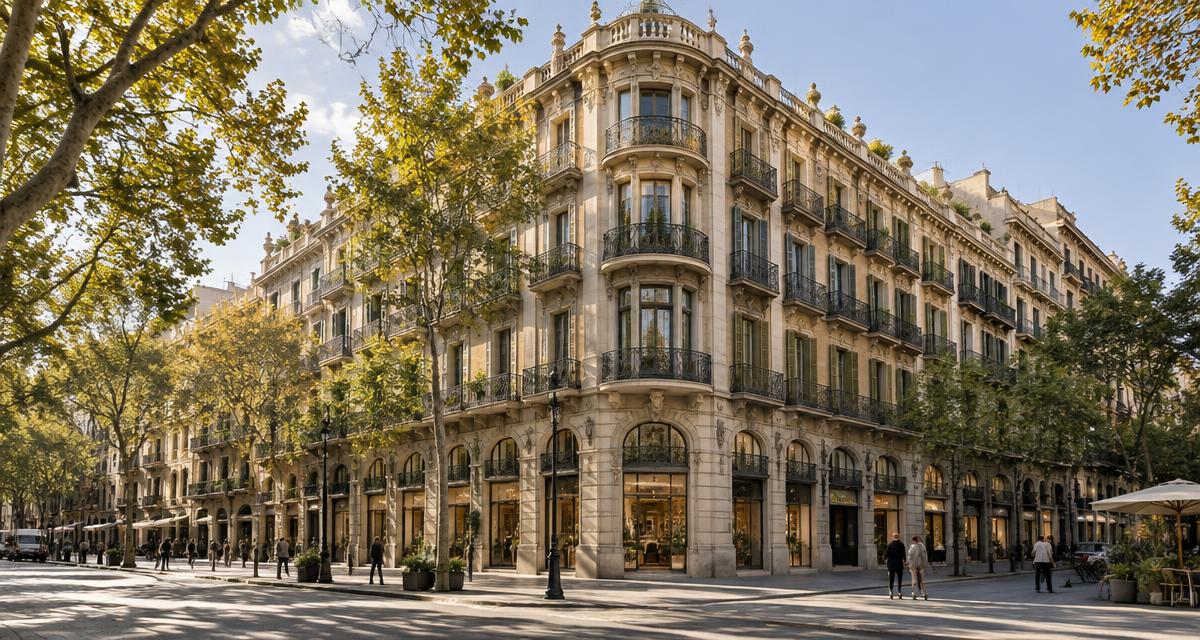
Eixample offers a distinctive street grid and architectural variety. Barcelona City Council describes the Cerdà Plan's perpendicular streets and chamfered corners, alongside the district's Modernista heritage.
For a photographic brief, those qualities can suggest lines, depth and an ordered urban setting. The aim does not need to be an identifiable landmark. A quieter stretch of architecture may provide a better background than a facade that dominates the subject.
Exact light, pedestrian activity and access need to be assessed at the proposed time. The district's character is a starting point for scouting, not a guarantee that every street or building will suit a session.
Poblenou: industrial traces and contemporary context
Poblenou includes industrial heritage and contemporary redevelopment associated with 22@. Turisme de Barcelona describes former factories and routes through both industrial relics and newer architecture.
This range can be relevant when a brief calls for a more contemporary urban environment or textured architectural context. It should still be connected to the person rather than used as a visual shortcut for being creative or innovative.
A building visible from the street is not automatically accessible. Private courtyards, workspaces and interiors require separate agreement, and the specific location should be checked before it becomes part of the plan.
Outdoor settings and natural light
Outdoor photography can provide space and a natural atmosphere, but sunlight is not consistently flattering or practical simply because the city has a Mediterranean setting. Direction, contrast, shade and weather matter at the exact location.
Discuss how the photographer will use available light and what happens if conditions change. Consider privacy, background activity and places where you can pause comfortably between photographs.
Parks, gardens, beaches and other managed spaces can have specific requirements for photography. Do not assume an attractive public place is available for a planned commercial session without checking the current rules.
Cafés, workspaces and interiors
An interior can feel relevant when it belongs to your work or offers a useful setting for the brief. Consider light, noise, privacy and whether other customers or workers might enter the frame.
Permission should be explicit. Explain the proposed use, equipment, timing and number of people, and agree any restrictions before booking the session around the space. Ordinary customer access is not the same as permission for a photographic production.
Avoid staging a working arrangement that could mislead the reader. A location can be used as a setting without claiming it is your own office or usual workplace.
Practical checks before committing
Access and movement
Confirm where the session can take place, how much equipment is involved and whether the route between compositions is manageable. Discuss accessibility and changing arrangements so the location supports the person as well as the images.
Light and background
Scout for the proposed time where possible. Look at the background from the camera's likely position, not only from a visitor's viewpoint. Small distractions can matter when the final image is used beside website text.
Permissions and alternatives
Check current requirements with the relevant authority or venue. Barcelona has municipal procedures for certain photography setups on public ways and separate procedures for managed parks, gardens and coastal spaces. The details depend on the location and setup.
Use official sources for the final plan
The City's public-space photography procedure and parks, gardens and beaches procedure are useful starting points. Confirm current conditions rather than relying on an old blog or another person's experience.
For context, consult the City's Eixample architecture overview and Turisme de Barcelona's Poblenou guide.
For a planned visual foundation, explore Identity Builder™. For a more developed professional transition, consider Next Chapter™. The preparation guide helps connect location with wardrobe and intended use, so the setting serves the photographs rather than deciding the entire session.