Personal Branding & Business
Why Your Personal Brand Needs More Than a Good Logo
Explore why a personal brand needs clear language, relevant photography, reputation and a coherent identity—not only a good logo.
By Talissa Viana
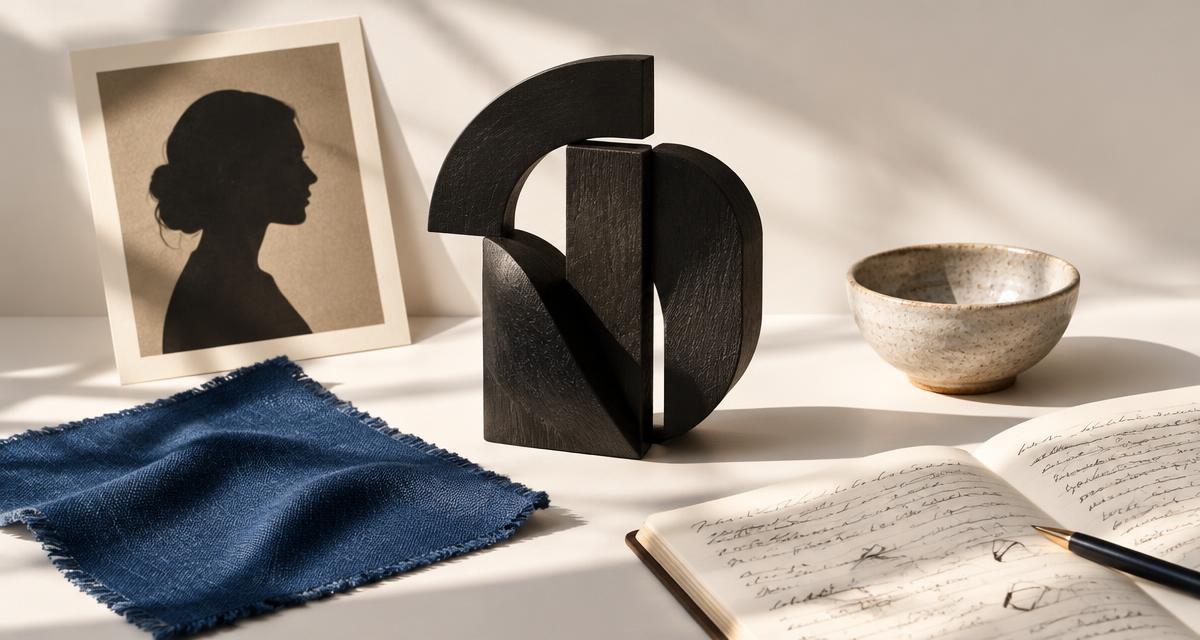
A logo can identify a business or professional practice, but it cannot explain the whole identity behind it. It does not describe your expertise, reveal your working approach or show the person someone may collaborate with. Those meanings are built through communication, experience, reputation and a coherent visual presence.
This does not make a logo unimportant. It gives it a proportionate role. A useful personal brand identity is a system of related choices, not a single mark expected to carry every part of the professional story.
What a logo can do
A logo provides a recognisable visual sign. It can connect a website, proposal, presentation and other materials, helping them feel like part of the same practice. Its form may contribute to the tone of that presentation.
But its meaning depends on what people encounter around it. A restrained mark beside unclear services does not create clarity. A sophisticated visual treatment cannot establish the quality of work that has not been explained or experienced.
Choose a logo as part of a wider direction rather than as a substitute for deciding what the brand needs to communicate.
Begin with the professional identity
Before refining visual details, make the work understandable. What do you do? Who is it relevant to? What kind of problem or situation brings someone to you? What is distinctive about your approach in practice?
The answers do not need to become a long manifesto. They need to provide enough direction for the website, language and images to work together. Without that foundation, visual decisions often become a matter of taste alone.
A personal brand also includes boundaries. You can be visibly present in your work without making every part of your private life part of the brand. Intentional selection is compatible with honesty.
Reputation and experience give the identity substance
Your reputation develops through the work you do and the way people experience it. Clear communication, reliable processes and thoughtful interactions matter beyond the visual presentation.
Photography cannot create those qualities on your behalf. It can introduce the person and provide a coherent setting for information that demonstrates them. This is a supporting role, not a lesser one.
Think about the path a potential client takes. They may encounter a photograph, read a service page, review work examples and then start a conversation. Every step should feel connected, with accurate information rather than a polished image covering gaps in the explanation.
Photography brings a human reference point
For many independent professionals, the person is part of the work. A portrait helps connect the name and expertise to someone recognisable. A broader collection can also provide context for the approach, environment and professional direction.
A logo usually cannot do this human work. Nor should a photograph be expected to replace the logo's function. The two contribute different kinds of recognition within the same identity.
Photographs should feel relevant to the practice. An impressive-looking location or prop may add visual polish while communicating something inaccurate. Choose context that belongs to your work or is clearly used as a setting, not evidence of an invented professional situation.
Build a visual language, not isolated assets
Colour, typography, layout and photography interact. A collection of individually attractive choices can still feel disconnected if they describe different tones or professional worlds.
Consider their relationship on actual pages. Does the image sit comfortably beside the introduction? Is the typography readable? Does the colour treatment support the photograph rather than distort it? Are the materials consistent enough to be recognisable across touchpoints?
The guide to consistent visual identity for a personal brand explains why continuity does not require using identical images or layouts everywhere.
Use the identity where people meet the work
Website and professional profiles
These need a clear introduction, relevant photographs and information that is easy to find. The logo is part of the orientation, but the person and work should not be hidden behind it.
Proposals and presentations
A coherent visual system helps documents feel connected to the practice. Use photographs when they support the message rather than decorating every page. A well-chosen portrait can introduce the person without dominating the material.
Social communication
The identity should be flexible enough for different subjects and formats. Repeating a logo or graphic template does not automatically make the communication coherent if the language and images keep changing direction.
Audit what is missing before commissioning more
Look at your current materials together. Identify whether the gap is recognition, clarity, human presence or useful photographic variety. Each calls for a different response.
You may need a clearer service explanation before a new logo. You may need a current portrait before a broader image collection. Or you may have the right pieces but need to use them more consistently.
If the priority is a visual foundation around the person behind the work, explore Identity Builder™. The portfolio can offer reference points for authentic expression and context.
Let each part do its own job
A strong personal brand identity does not ask one asset to solve everything. The logo helps identify. Language explains. Work examples substantiate. Photography introduces and contextualises. Experience gives the promises their meaning.
When those parts agree, the result feels considered without needing to be overdesigned. The professional presence becomes easier to understand because the system is coherent—not because a single visual element has been made more prominent.