World
Light and Place: What Travel Teaches a Photographer's Eye
How Mediterranean, northern and city light differ, and what travelling with a camera teaches about reading light.
By Talissa Viana
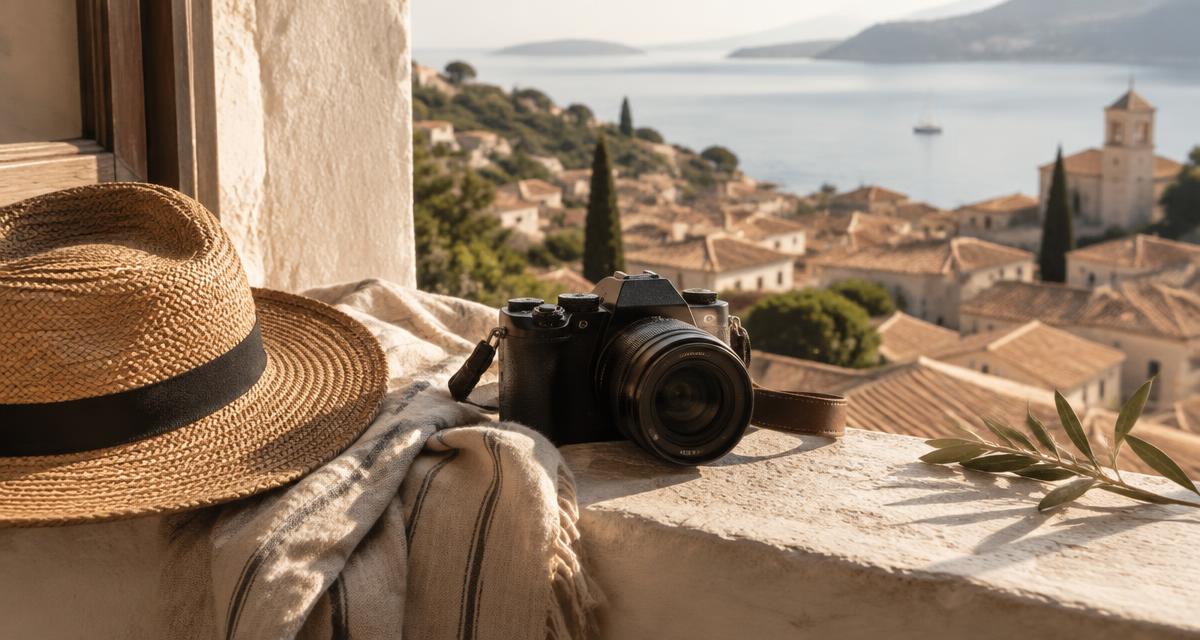
Every place has its own light. It is shaped by latitude, by the colour of the buildings, by the sea or the mountains, by the dust in the air. Travelling with a camera is, more than anything, an education in that difference.
Mediterranean light
Around the Mediterranean, the light is bright and warm, bouncing off pale stone and white walls. Shadows are deep and graphic in the middle of the day, then soften into gold in the late afternoon. It is the light I know best, and the one I still find most generous for portraits.
Northern light
Further north, the sun stays low for longer. Light arrives from the side, soft and cool, and lingers. Colours become quieter and more subtle—greys, blues, muted greens. It rewards slower, more intimate photographs.
City light
In dense cities, light is broken up by buildings. It falls in slices between façades, reflects off glass and creates small, unexpected spotlights on the street. Photographing there is about noticing those moments as they appear and disappear.
Bringing it home
What I learn on the road changes how I work with clients. Knowing how different light behaves helps me choose the right hour, the right side of the street, or the right window for each person. Travel photography is personal, but it makes the professional work sharper.
In the World section, I will keep sharing places through this lens: not where to go, but how the light felt when I was there.